 +38 (067) 694 40 40


Запоріжжя
Івано-Франківськ
Кам'янське
Київ
Кременчук
Львів
Одеса
Полтава
Хмельницький
Крипторинки в умовах стискання ліквідності: що реально рухає ціни у 2026 році
Криптовалютний ринок у 2026 році функціонує в умовах обмеженої ліквідності, підвищеної чутливості до макрофакторів і зростаючого впливу алгоритмічних систем. Цінові рухи дедалі рідше формуються за рахунок класичного роздрібного попиту.
Основними драйверами стають великі капітали, структурні зсуви у фінансовій системі та автоматизовані торгові моделі, зокрема на базі штучного інтелекту. Це змінює динаміку цін, а разом із тим і саму логіку ринку.
Ліквідність як головний обмежувач зростання

Поточний стан крипторинку визначається не стільки попитом на активи, скільки доступністю грошей у системі. Після періоду агресивного монетарного стимулювання глобальні фінансові регулятори перейшли до політики контролю ризиків і стримування надмірної спекуляції. Для криптоактивів як класу з підвищеною волатильністю це означає жорсткіші умови зростання.
Ознаками дефіциту ліквідності стають зменшення глибини ордербуків на спотових і деривативних біржах, різкі цінові рухи навіть на середніх обсягах, зростання ролі позабіржових угод та домінування кількох великих гравців у формуванні трендів. У таких умовах ринок стає «тонким» – ціна реагує на дисбаланс між кількома великими ордерами, що підвищує нестабільність рухів.
Макрофактори та їх непряма дія на криптоактиви
Криптовалюти більше не існують у вакуумі. Вони інтегровані у глобальну фінансову екосистему та дедалі частіше реагують на ті самі сигнали, що й фондові ринки. Загальний напрям руху формується під впливом кількох ключових макрофакторів:
- монетарної політики Federal Reserve та інших центральних банків;
- динаміки прибутковості державних облігацій;
- перетікання капіталу між ризиковими та захисними активами;
- регуляторних очікувань щодо цифрових фінансів і криптоіндустрії.
Реакція крипторинку на ці фактори зазвичай відбувається із запізненням, проте її амплітуда значно вища, ніж у традиційних класах активів. Те, що для фондового ринку виглядає як помірна корекція, у крипті часто перетворюється на різкі імпульси або глибокі просадки, особливо в умовах низької ліквідності.
Волатильність без обсягу – нова норма
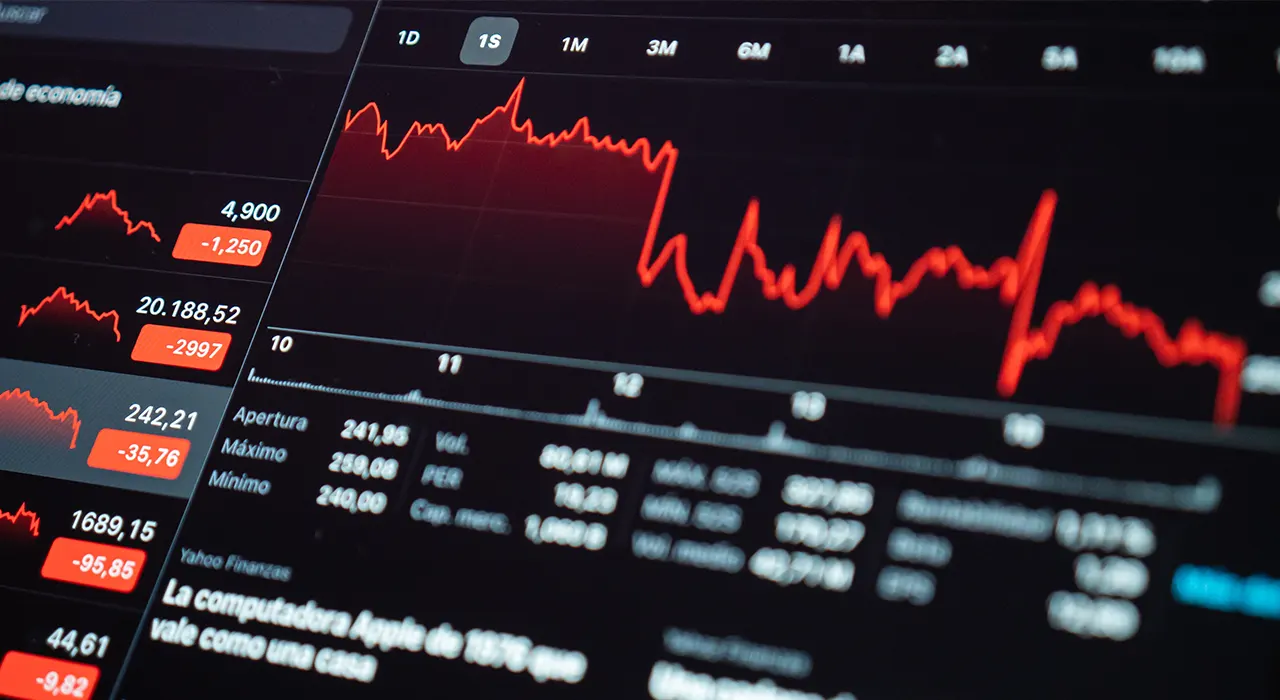
Одна з ключових особливостей поточного циклу – цінові імпульси без підтвердження обсягами. Вони створюють ілюзію сили тренду, яка швидко руйнується при появі протилежного сигналу.
Причинами цього є низька участь роздрібних інвесторів, обмежений приплив нового капіталу, короткострокові спекулятивні стратегії фондів і активна робота маркет-мейкерів у вузьких цінових діапазонах. У результаті формується ринок, де технічні пробої часто виявляються хибними, а класичні індикатори втрачають частину своєї прогностичної цінності.
Роль штучного інтелекту у формуванні рухів ринку

Штучний інтелект став невід’ємною частиною криптотрейдингу. Алгоритмічні системи в реальному часі аналізують глибину ринку, поведінку великих гаманців, новинний фон, соціальні сигнали та міжринкові кореляції.
Практично це призвело до таких змін:
- різкого зростання швидкості реакції на мікрозміни ліквідності;
- збільшення частки високочастотних і кросбіржових стратегій;
- автоматичного посилення локальних цінових імпульсів;
- синхронізації рухів між різними торговими майданчиками.
У стабільні періоди це підвищує ефективність ринку та зменшує хаотичність рухів. Водночас під час зміни тренду або виходу важливих макросигналів корекції стають різкими й глибокими. Ринок дедалі більше рухається логікою моделей і алгоритмів.
Стейблкоїни як індикатор реального попиту
Обсяги емісії та рух стейблкоїнів стали одним із найточніших маркерів стану ринку. Коли капітал готується до входу, зростає обсяг стейблкоїнів на біржах. Коли ж ризики переважають, кошти виводяться в офчейн або у фіатні інструменти.
Поточна картина характеризується уповільненням чистого притоку стейблкоїнів, концентрацією ліквідності у кількох великих мережах і зростанням ролі стейблкоїнів у DeFi-операціях замість спекулятивної торгівлі. Це свідчить про обережність капіталу та очікування більш чітких макроекономічних сигналів.
Трансформація «бичачого» ринку в крипті
Поточний крипторинок більше не відтворює цикли минулих років, побудовані на масовій ейфорії та роздрібному FOMO. Модель одночасного зростання всього ринку втратила ефективність через обмежену ліквідність і зміну структури капіталу.
Вибіркове зростання замість загального апсайду
Замість рівномірного руху вгору спостерігається фрагментована динаміка. Капітал концентрується навколо окремих активів – переважно інфраструктурних та утилітарних проєктів – тоді як більшість спекулятивних токенів залишаються поза увагою.
Кінець коротких пампів без фундаменту
Цінові імпульси без підкріплення ліквідністю більше не утримуються. Ринку бракує обсягів, щоб підтримувати спекулятивні пампи, тому такі рухи швидко згасають і не формують стійких трендів.
Ліквідність – головний фактор нового циклу
У поточному циклі ключову роль відіграє доступ до капіталу та якість фінансової моделі проєкту, а не інформаційний шум чи гучні обіцянки. Це середовище, у якому виграють дисципліновані учасники з довгостроковим підходом, тоді як азартні стратегії дедалі частіше закінчуються швидкими втратами.
Джерело: Yahoo Finance


Рекомендуємо:
Як купити криптовалюту


Прогноз ціни Біткоїна до $100 000


Статки Чанпен Чжао зросли на $3 млрд за час відсид...
Чому ставка ФРС США вирішує долю Біткоїна та альтк...

SWIFT змінює правила гри: що чекає на криптовалюти...
Доходи від стейкінгу Ethereum впали на 42% за пів ...


Що таке Ethena Finance? Суть синтетичного долара U...
Команда Hamster Kombat оголосила, що другий сезон ...
За 4 роки зафіксовано найбільший приплив інституці...
Глава Ripple пророкує перезавантаження криптоіндус...
Мінфін США хоче скоротити ринок приватних стейблко...
Біткоїн оновив історичний максимум після рішення Ф...
Курс Біткоїна злітає: влада США прикуплять до 5% B...
Європа колише курс Біткоїна: пенсійний фонд Велико...
Аналітик Майкл ван де Попп прогнозує Біткоїну $100...
Чи вплине перемога Трампа на курс Біткоїна?
Аналіз пампів на ринку криптовалют
Екосистема Ethereum: підготовка до нового прориву
Solana проти Ethereum: хто виграє у боротьбі за De...

Тренди криптовалют 2024 року: на що звернути увагу...
CBDC: як цифрові валюти центральних банків змінять...
Скандал із "Біткоїн Ісусом": що сталося з Роджером...
Розвиток криптовалютної індустрії в Україні


Калькулятор
$
USD₴
UAH
Калькулятор